Worried about wet rot, dry rot, timber infestation or the general condition of your timbers?
I'll inspect the safely accessible timbers, look for evidence of decay or wood-boring insects, consider the moisture conditions behind it and explain what the evidence actually supports. No treatment sales. No commission. Just a clear independent view.
Old holes do not always mean live woodworm. Damaged timber does not always need blanket treatment.
Timber problems can look alarming, particularly in an older house. A few flight holes in a beam may be historic. A soft joist end may point to a local leak. Fungal growth may be active, or it may relate to moisture that has already been dealt with.
My job is to separate those possibilities. I look at the timber, the pattern and extent of any damage, the surrounding moisture conditions and the wider building. If the evidence does not support treatment, I will say so.
The important question is not simply “is there a hole or a mark?” It is whether activity or decay is genuinely present, what caused it, how far it extends and what sensible action is actually needed.
Damp only, timber only, or both together
You do not need to diagnose the problem before you contact me. Tell me what has been noticed and I will help you agree the right scope before anything is booked.
Damp survey only
From £299. For damp patches, mould, condensation, water ingress or elevated moisture readings where a general timber inspection has not been requested. I investigate the moisture pattern, likely source and relevant building defects.
Timber survey only
From £399. For suspected wet rot, dry rot, woodworm or another timber infestation, or when you need the general condition of safely accessible roof, floor, frame or staircase timbers assessed. Moisture causes are considered as part of the timber diagnosis.
Damp and timber survey
For properties where damp and timber concerns overlap, or a buyer's survey has flagged both. I can investigate the moisture issue and the relevant timbers during one coordinated inspection, with the agreed findings brought together in the written report.
The fee is confirmed from the property size, access and agreed scope before booking.
A damp-only survey is not automatically a whole-property timber condition survey. If you want wet rot, dry rot, infestation and general timber condition included, choose the timber or combined option so the correct areas and access can be agreed in advance.
What an independent timber survey includes
The exact inspection depends on the property and access available, but these are the main areas I assess.
Accessible roof timbers
Rafters, purlins, trusses, wall plates and timber ends where they meet masonry, with attention to leaks, chimney areas, gutters, condensation and roof ventilation.
Floors, joists, frames and stairs
Accessible floorboards, joists, joist ends, sub-floor areas, structural frames and staircase timbers, including signs of fungal decay, insect attack, deflection or local weakening.
Timber infestation
Evidence associated with common furniture beetle (often called woodworm), deathwatch beetle where relevant, and other wood-boring beetles or timber pests. I consider whether signs appear active, historic or inconclusive.
Dry rot and wet rot
Visible fungal growth, mycelium, fruiting bodies, cracking, softness, loss of section and the pattern of spread. True dry rot and wet rot require different identification and context.
General timber condition
Visible distortion, splitting, crushing, loss of sound timber, weakened bearing points, local deflection, decay and previous repairs. I record what can be seen and flag where structural assessment or further access is justified.
Moisture, extent and next steps
Timber and surrounding moisture conditions, likely water source, visible extent and risk, access limitations, whether opening-up is justified and what proportionate action should come next.
The survey is a visual and non-destructive inspection of safely accessible areas unless another scope is agreed beforehand. Concealed timbers cannot be assessed without suitable access or opening-up. Where structural strength is in question, I may recommend assessment by a structural engineer.
Woodworm holes are evidence of an insect having been there. They are not proof it is still there.
I look for the wider evidence: the condition and colour of the holes, fresh frass or bore dust, beetles or larvae where present, the species likely to be involved, the timber type and moisture content, and whether the building still provides the conditions the insect needs.
That distinction matters. Treating historic activity as though it were live can mean unnecessary chemicals, expense and disruption. Where activity is genuinely present, the report will explain the evidence and the extent that could be seen.
Treat the cause, not just the timber
Active fungal decay needs excess moisture. Finding out where that moisture is coming from is central to a lasting solution.
Dry rot
True dry rot can spread beyond the first visibly affected timber. I look for characteristic growth, brittle cuboidal cracking, spores or fruiting bodies, test nearby accessible timber and consider the likely route of moisture and spread.
Wet rot
Wet rot is a broad group of fungi associated with persistently damp timber. The report considers the affected location, visible loss of strength and the defect or moisture source that needs correcting.
Why the source matters
Spraying or replacing timber while a leak, trapped moisture or poor ventilation remains is dealing with the symptom. The first priority is to stop the water and allow the structure to dry.
What timber problems can look like in practice
Examples of dry rot, historic woodworm activity, roof timber inspections and general timber checks.
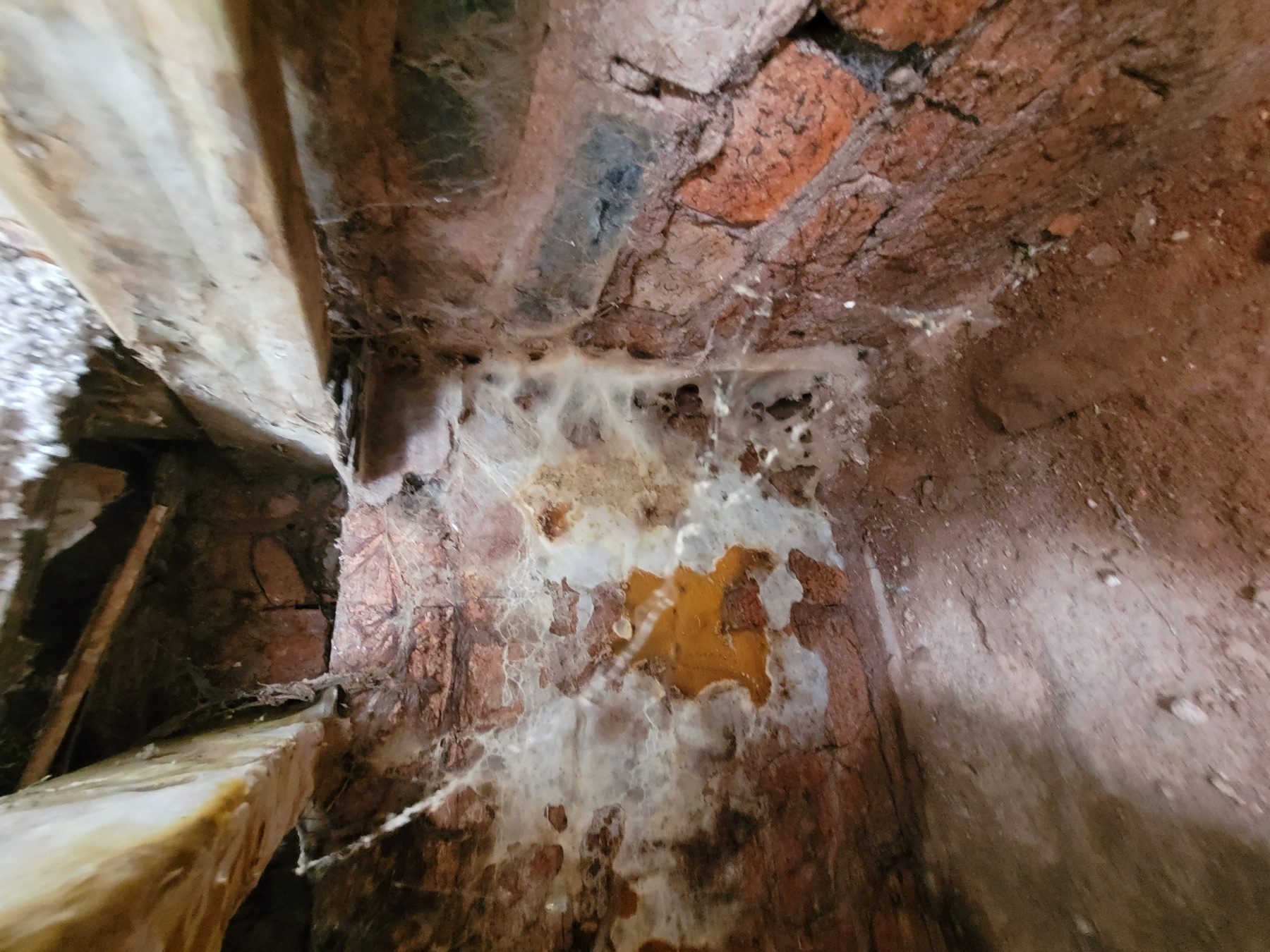
Visible fungal growth across adjacent masonry and timber, showing why the moisture source and full extent both matter.
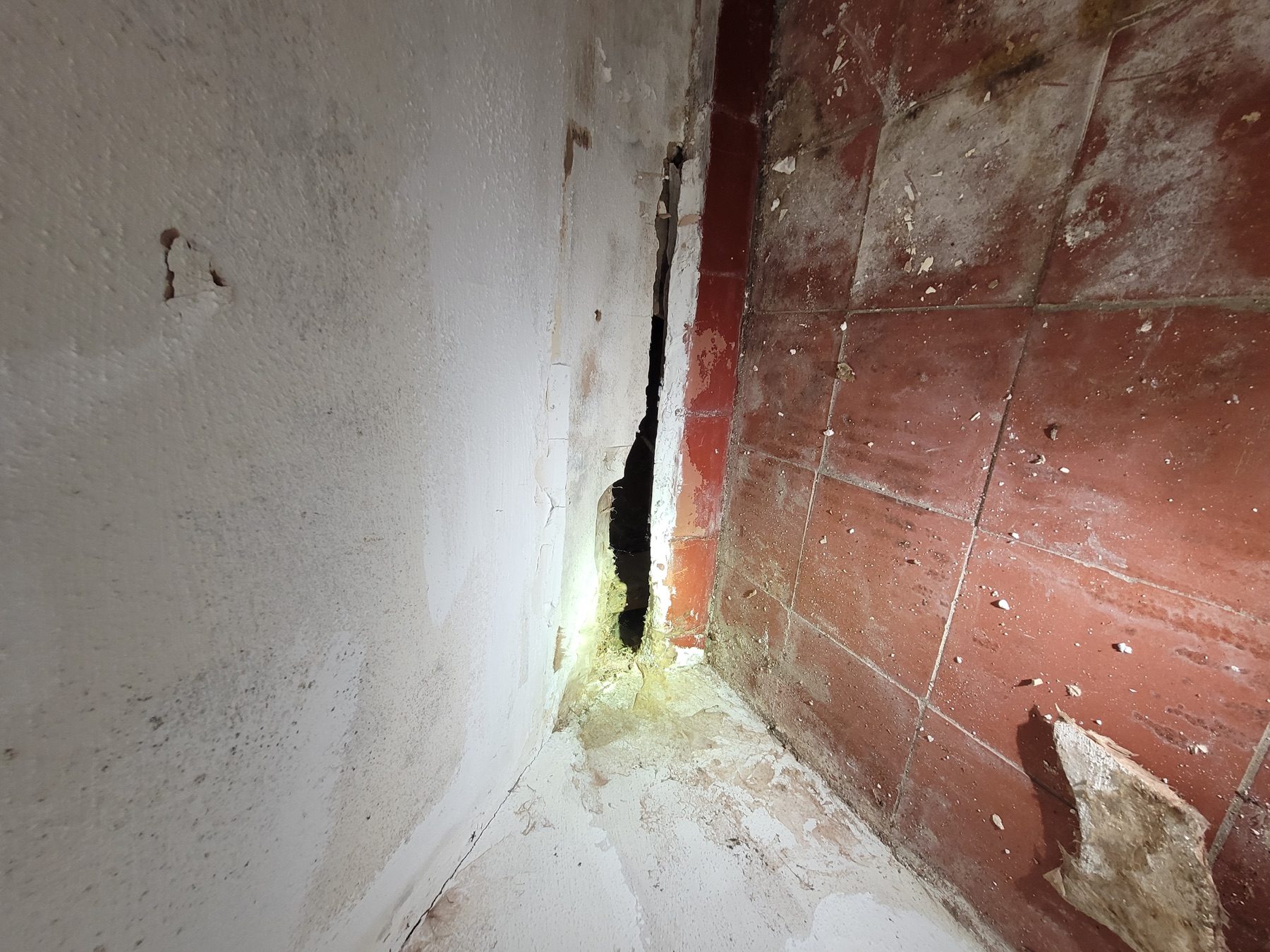
The inspection continues beyond the first affected timber to establish where the outbreak may have travelled.
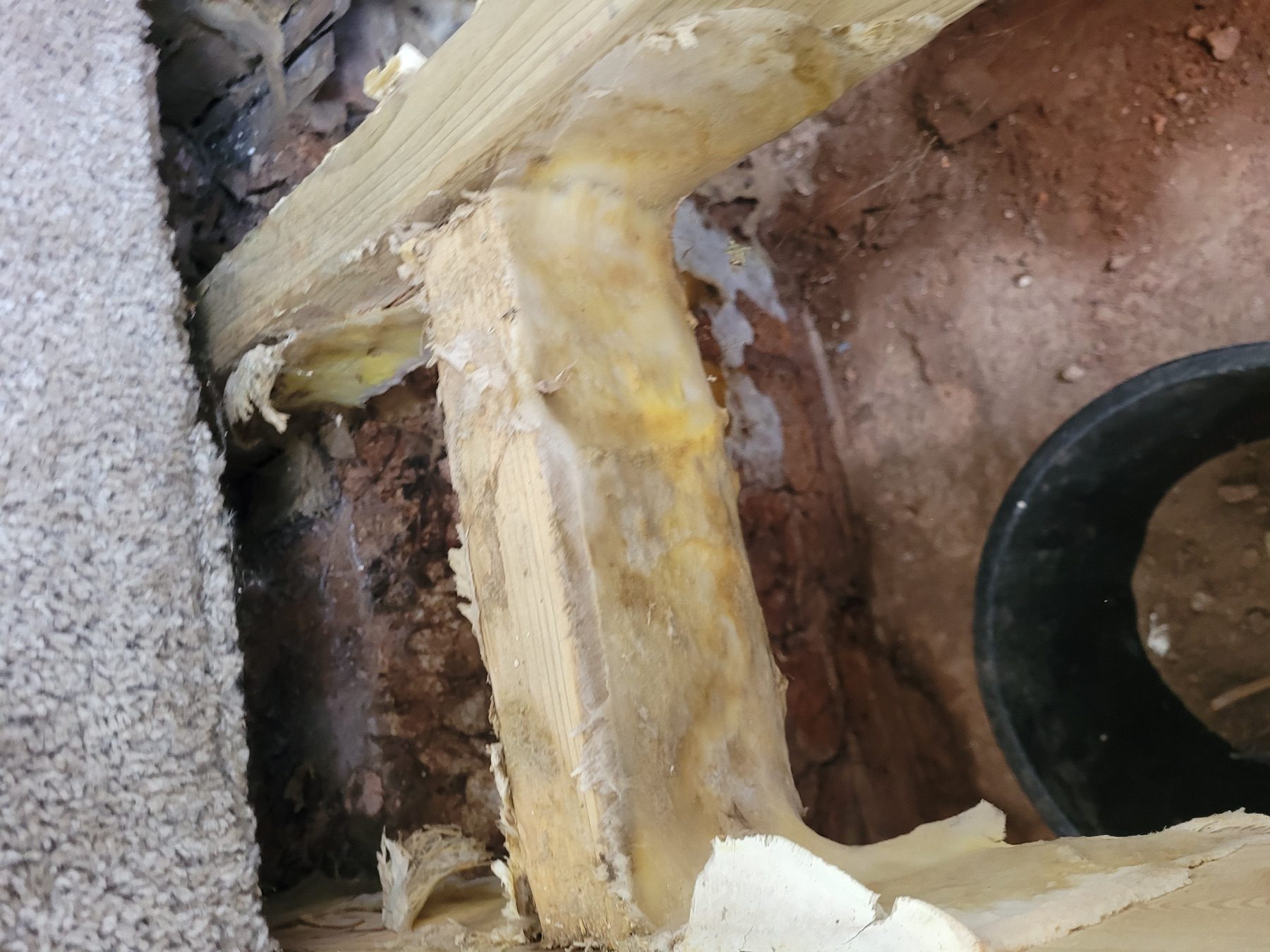
A close inspection helps establish the degree of decay, visible loss of material and whether further assessment is needed.
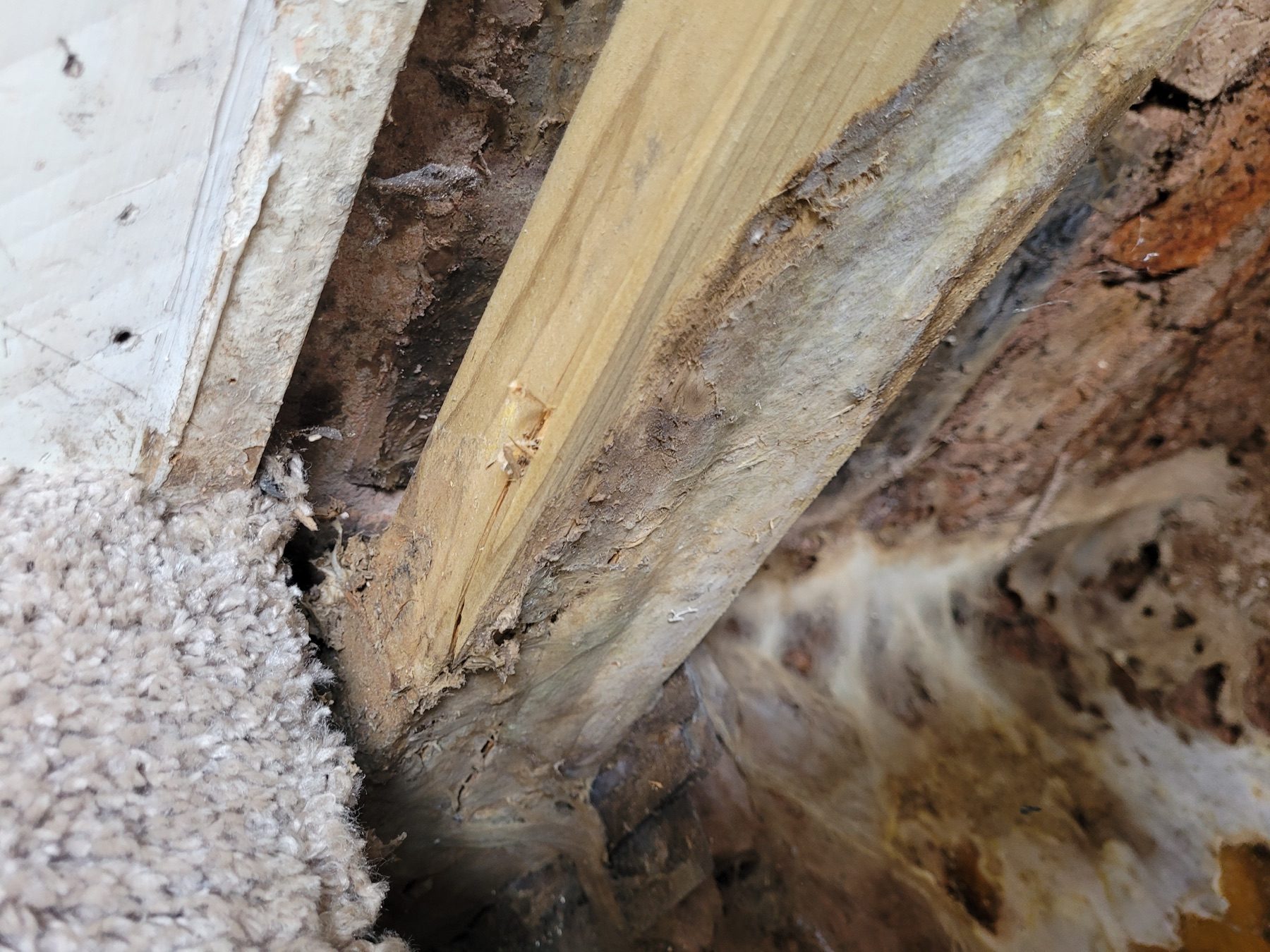
Damage at one edge can be part of a wider issue, so nearby accessible timbers and moisture conditions are checked too.
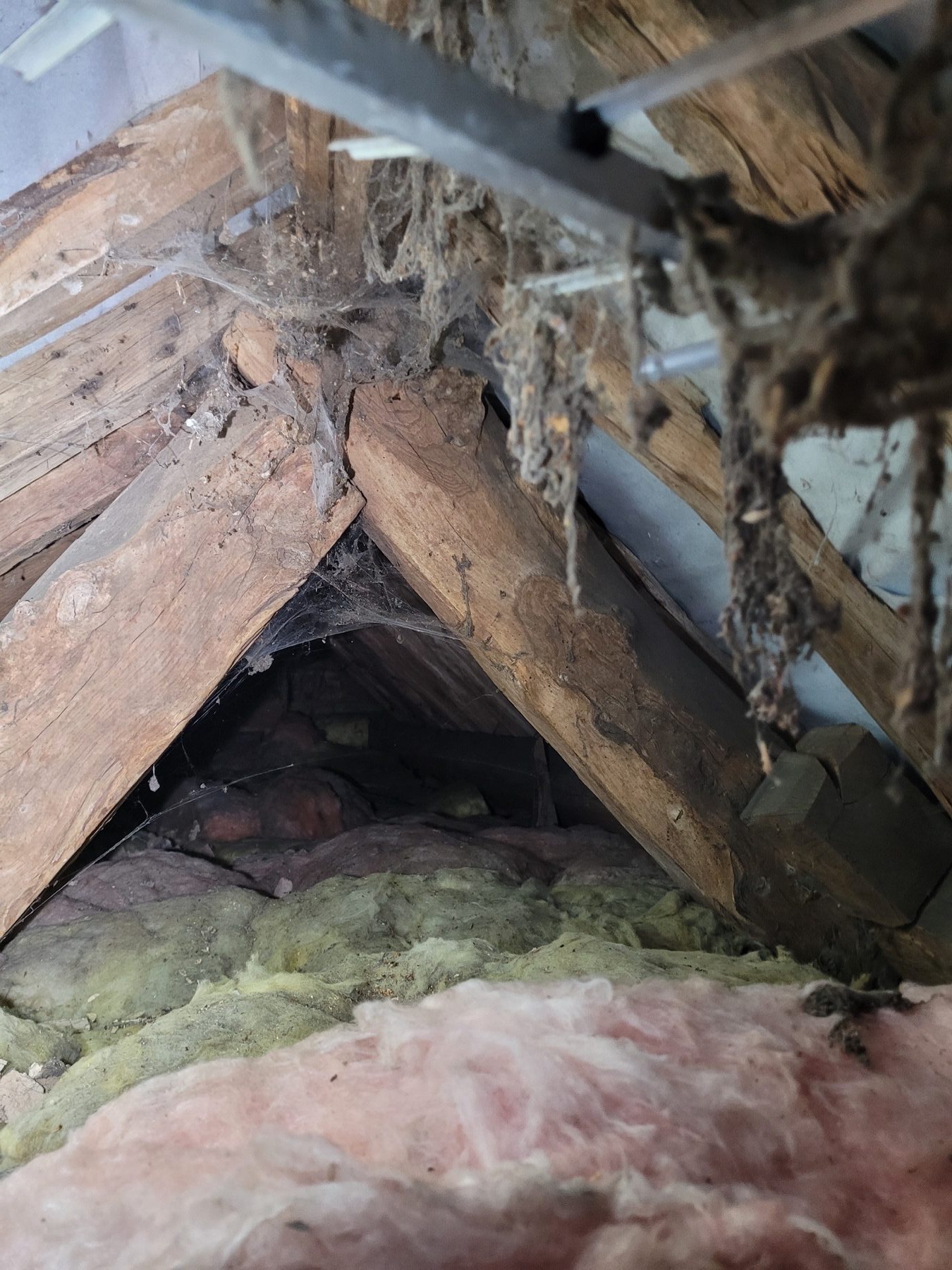
Accessible rafters, junctions and bearing points are considered alongside ventilation, leaks and other moisture risks.
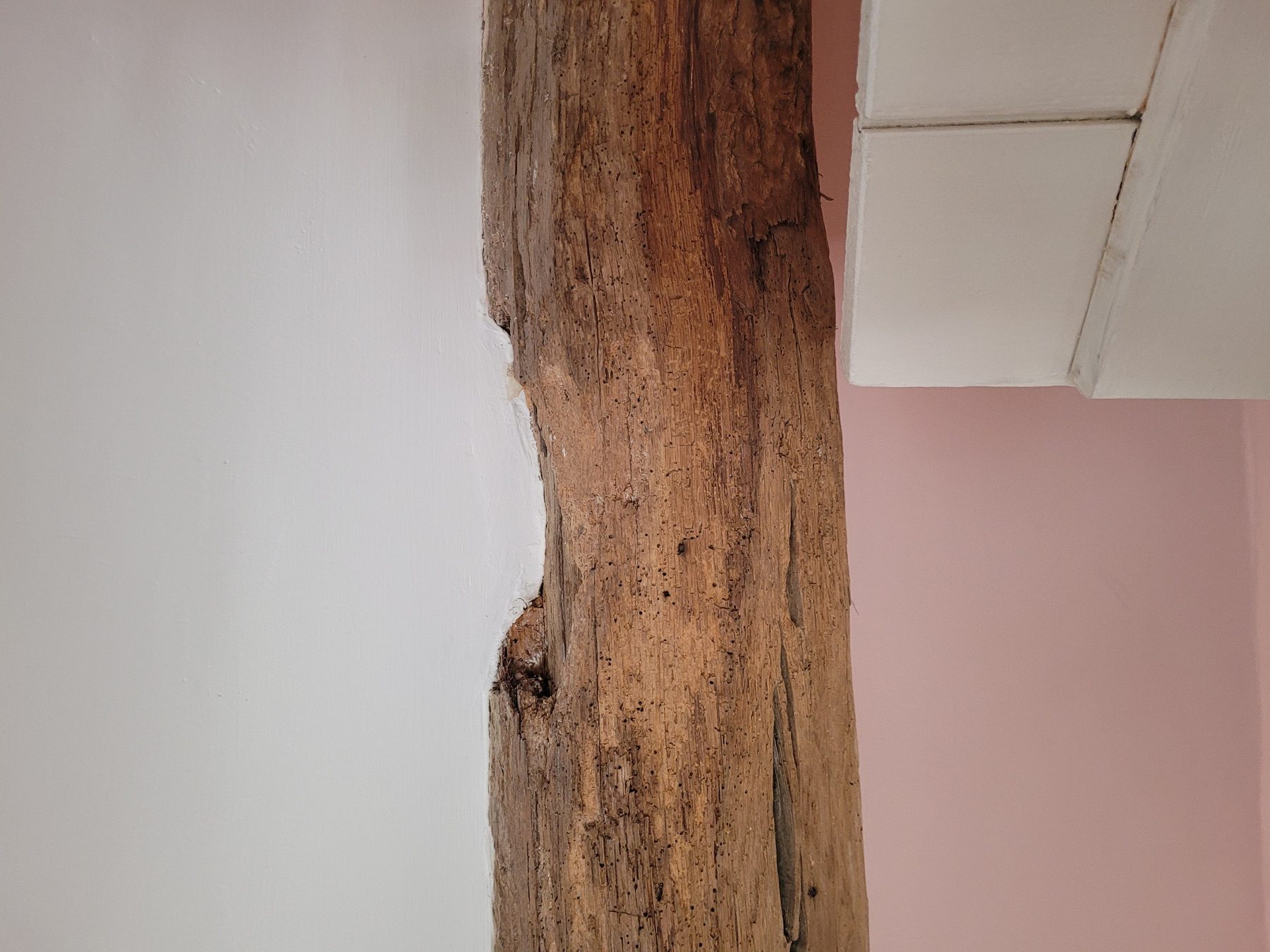
Old flight holes show that an insect was once present. They do not, by themselves, prove an active infestation today.
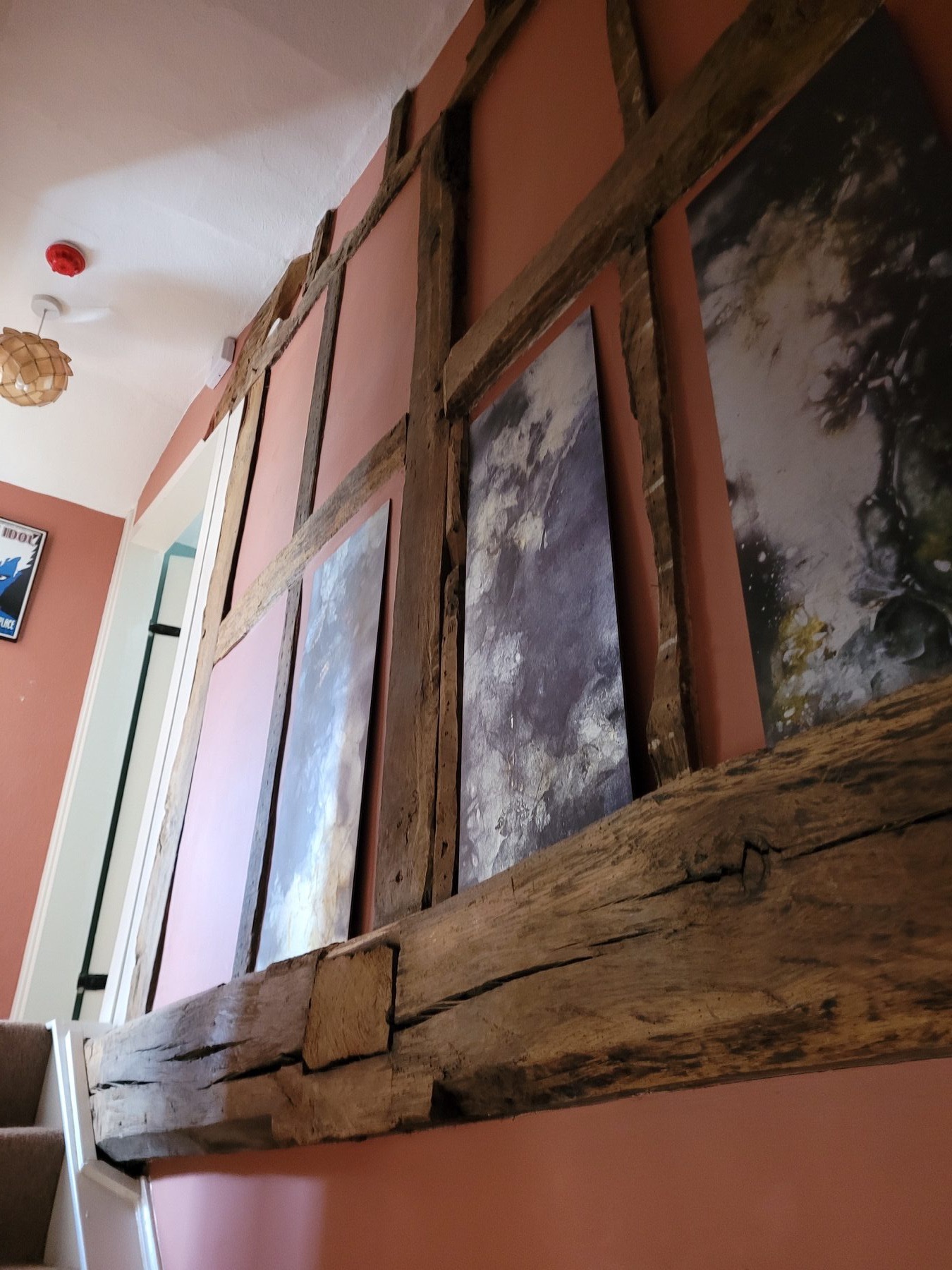
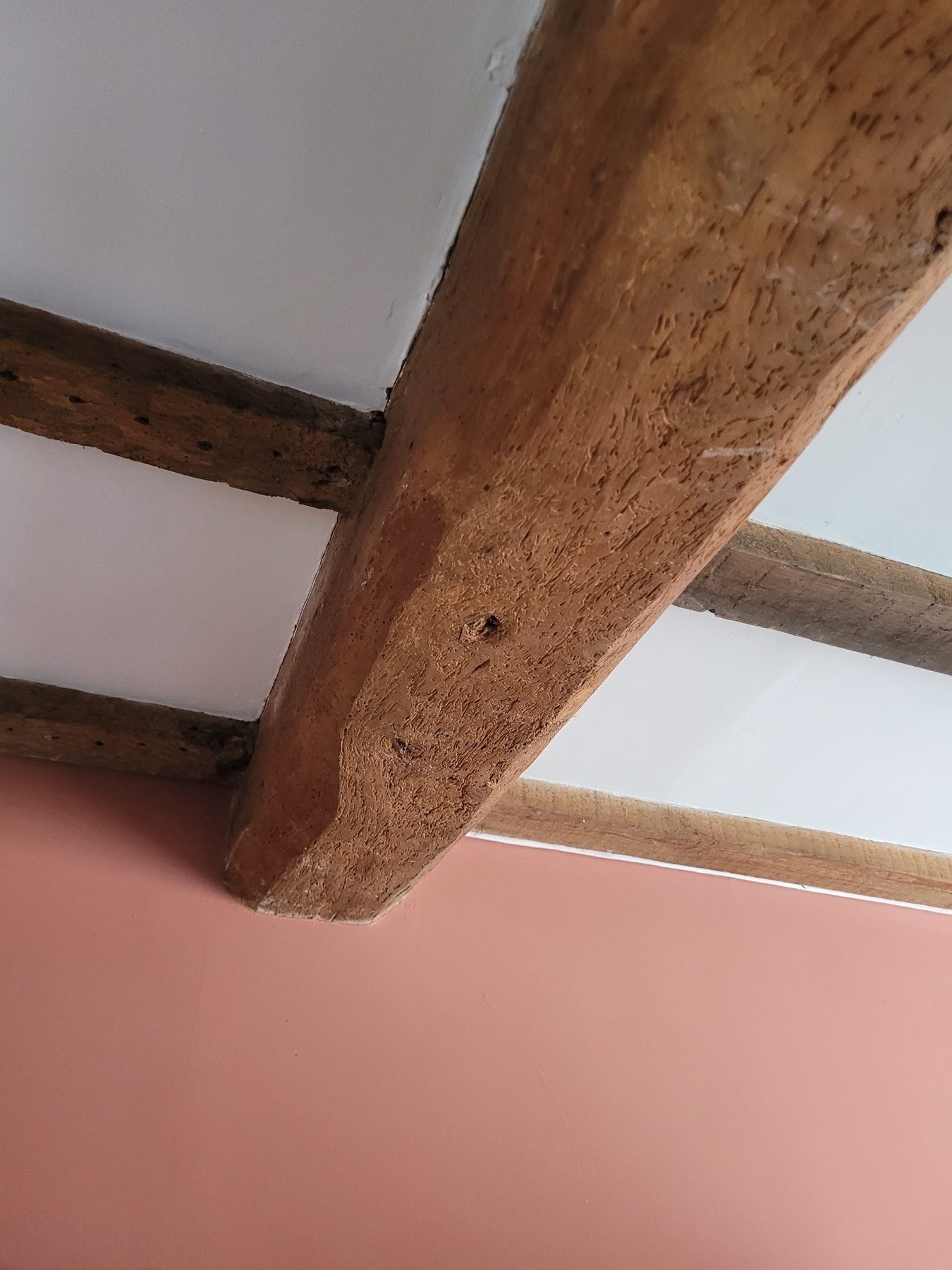
Exposed members can be assessed for visible decay, insect evidence, distortion, previous repairs and local weakening.
Holes, grooves and changes in texture are considered with the timber type, moisture and wider pattern of evidence.
A practical report you can act on
Tell me the concern
Send the property address, what has been noticed and any useful photos or relevant survey wording.
On-site inspection
I inspect the safely accessible timber, surrounding building fabric and moisture conditions relevant to the concern.
Independent diagnosis
I explain whether the evidence points to active decay or infestation, historic activity, another cause or a need for further investigation.
Written findings
You receive a clear report covering observations, limitations, likely cause, confirmed risk and proportionate next steps.
Common questions
Choose damp-only when the concern is damp, mould, condensation or water entry and you are not asking for a wider timber condition check. Choose timber-only for wet rot, dry rot, suspected infestation or general timber condition. If damp and nearby timbers may both be affected, or a property survey has raised both, I can agree a combined damp-and-timber scope. If you are unsure, send me the details and I will advise before booking.
Timber surveys start from £399. The final price depends on the size of the property, the areas involved, access and the scope required. Send me the address and a few details and I will confirm the fee before anything is booked.
No. Flight holes may be many years old. I look for fresh frass, the condition of the holes, likely insect species, timber moisture and other evidence before deciding whether activity appears current, historic or cannot yet be confirmed.
Yes. I inspect accessible areas for evidence of fungal decay, assess the visible extent and condition of the timber, and look for the excess moisture or building defect allowing it to develop.
The standard inspection is visual and non-destructive. If the evidence suggests concealed damage and opening-up is needed, I will explain where and why. Any destructive access must be agreed separately and may need to be arranged by the owner or an appropriate contractor.
No. I do not sell timber treatments, replacement timber or remedial building work, and I do not take commission from treatment companies. The recommendation is based on the evidence, including when no treatment is justified.
Bats and their roosts are legally protected. If there is evidence or a reasonable possibility of bats, specialist ecological advice may be required before disturbance, opening-up or timber treatment is considered.
Concerned about timber in your property?
Send me a few details and any photos you have. I'll tell you whether an independent timber survey is the right next step and confirm the fee before booking.
Timber surveys from £399 · Written report included · No treatments sold