
A damp survey that makes sense of a Shrewsbury house
Shrewsbury has everything from close-built timber-framed property in the old loop to Victorian terraces and much later family homes. The same patch on a wall can mean something quite different in each, which is why I want to see the whole building before I name the cause.
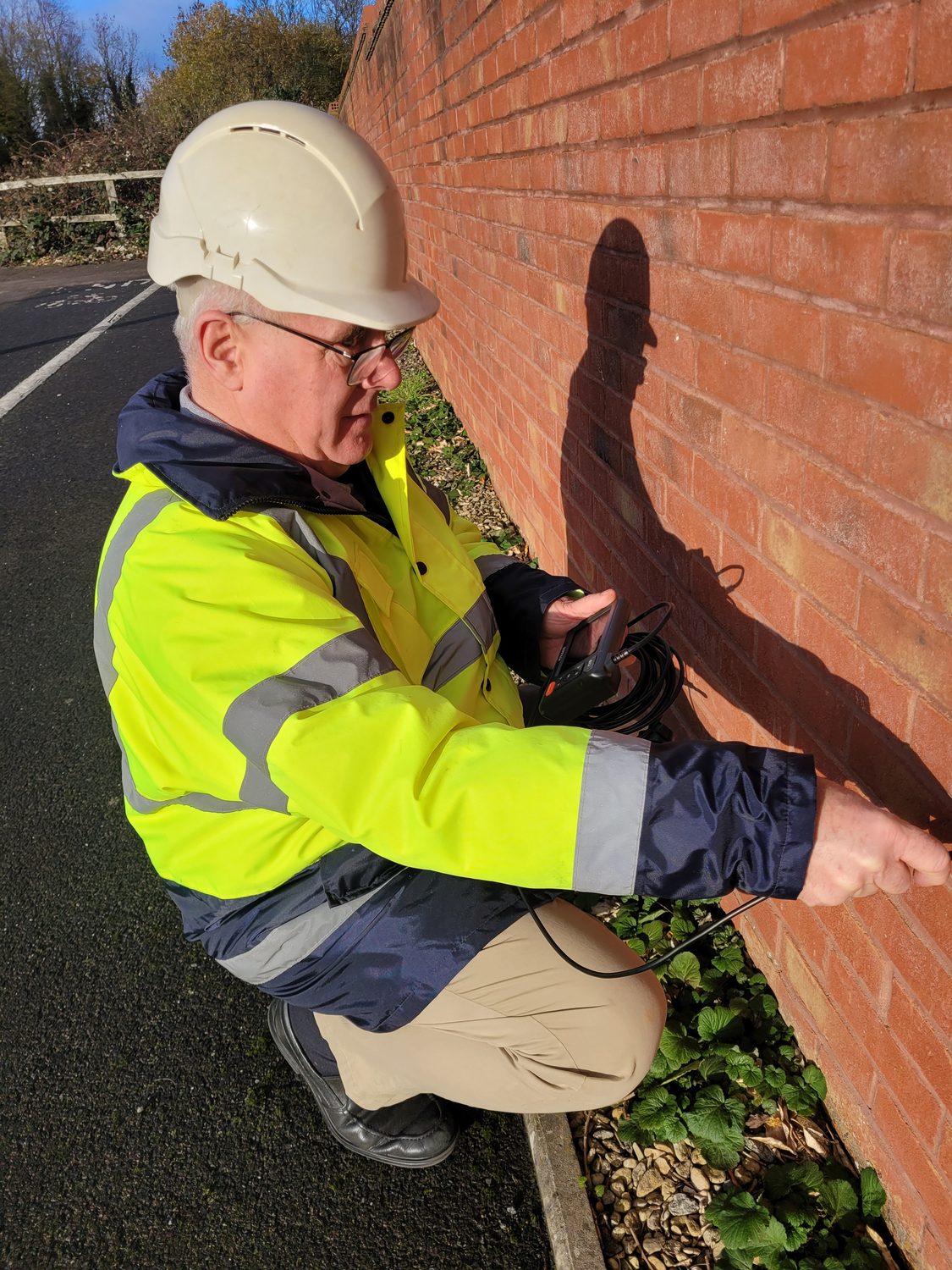
I start with the house, not the damp-course quote
In an older house I pay particular attention to solid walls, chimney breasts, floor ventilation and alterations made over the years. Nearer the river, ground levels and flood history may be relevant—but the postcode is context, not a diagnosis.
I will tell you what the evidence supports, what it does not support and where access limits certainty. If the likely answer is improved ventilation, a plumbing repair or a leaking gutter, the report will say so. I do not make money from whatever happens next.
What I would pay attention to in Shrewsbury
These are local lines of enquiry, not claims about every property in the area.
Older solid walls
Lime, brick, stone and timber-framed walls behave differently from modern cavity construction. Dense modern finishes can sometimes hold moisture in, so the wall build-up and previous alterations matter.
Cellars, floors and ground levels
Low rooms, blocked air bricks, raised paths and changes to suspended floors can produce similar symptoms for different reasons. The inspection follows the moisture pattern and the construction.
Roofs and exposed details
Chimneys, parapets, valleys and rainwater goods over Shrewsbury's varied roofscape deserve close attention before internal staining is labelled as a generic damp problem.
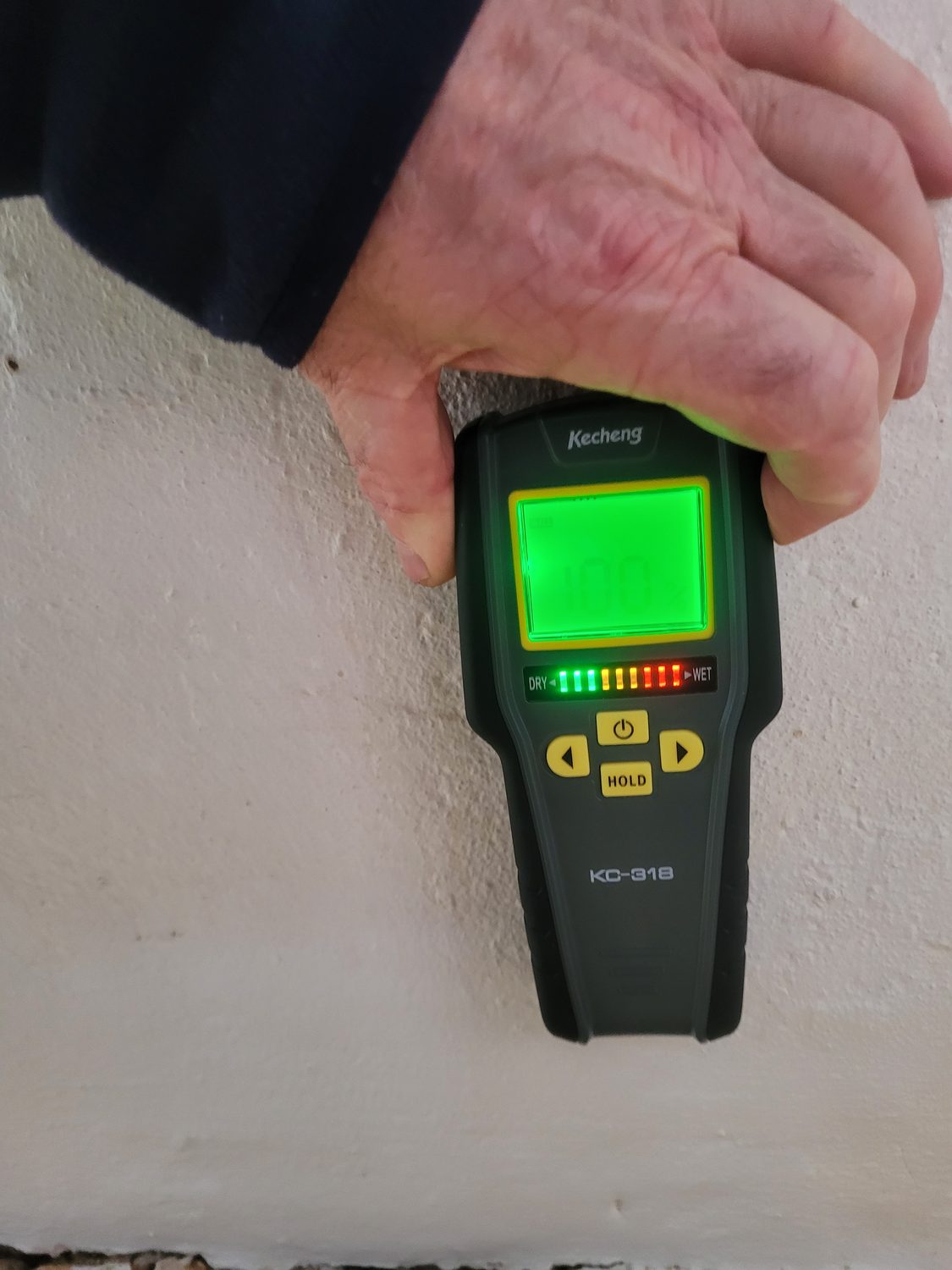
What has actually caused it?
A buyer’s report may simply say ‘high damp readings’. That is a warning to investigate, not an instruction to inject a damp-proof course. I trace where the moisture is showing, compare it with the construction and look for the ordinary defects that are easily missed.
My inspection may include visual assessment, moisture profiling, temperature and humidity readings, thermal imaging or closer investigation of accessible details where those methods will genuinely help. Equipment supports the judgement; it does not replace it.
A straightforward survey from first call to report
Send me what you have
The address, photographs and any relevant buyer’s survey extract help me suggest the right scope.
I follow the evidence
I inspect accessible areas, compare moisture patterns and look for a credible cause rather than a convenient label.
You get it in writing
The report records findings, limitations and proportionate next steps. You can call me if anything needs talking through.
Send me the full postcode
Shrewsbury, Bayston Hill, Meole Brace, Copthorne, Belle Vue, Castlefields and nearby central Shropshire villages.
I work from Stourport-on-Severn and travel to the property; this is a mobile service, not a local branch office. I will confirm availability and any travel detail before you book.
See every area I cover →Choose the question, not a package
A damp survey looks at moisture in walls, floors and the indoor environment. A timber survey considers accessible timber condition, wet rot, dry rot and wood-boring insects such as woodworm. If a buyer’s report raises both, send me the relevant pages and I will suggest a sensible scope.
Send the details to Stephen →Damp surveys in Shrewsbury
Yes. Accessible timbers, surrounding infill, moisture sources and visible signs of decay or insect activity can be assessed. A dedicated timber survey starts from £399.
No. In Shrewsbury's older properties, salts, dense plaster, bridged floors, condensation and local leaks can all affect readings. Diagnosis depends on the full pattern and construction.
Yes. The written report can give you and your solicitor a clearer evidence base before you decide whether to proceed or renegotiate.
Ask Stephen about your Shrewsbury property
Damp surveys from £299. Timber surveys from £399. The agreed inspection and written report are included.