
Damp surveys for Bridgnorth’s hillside homes
Bridgnorth’s levels matter. A house cut into the sandstone, a retaining wall behind a room or a steep change in ground outside can all alter the route moisture takes. That deserves more thought than a row of red numbers on a handheld meter.
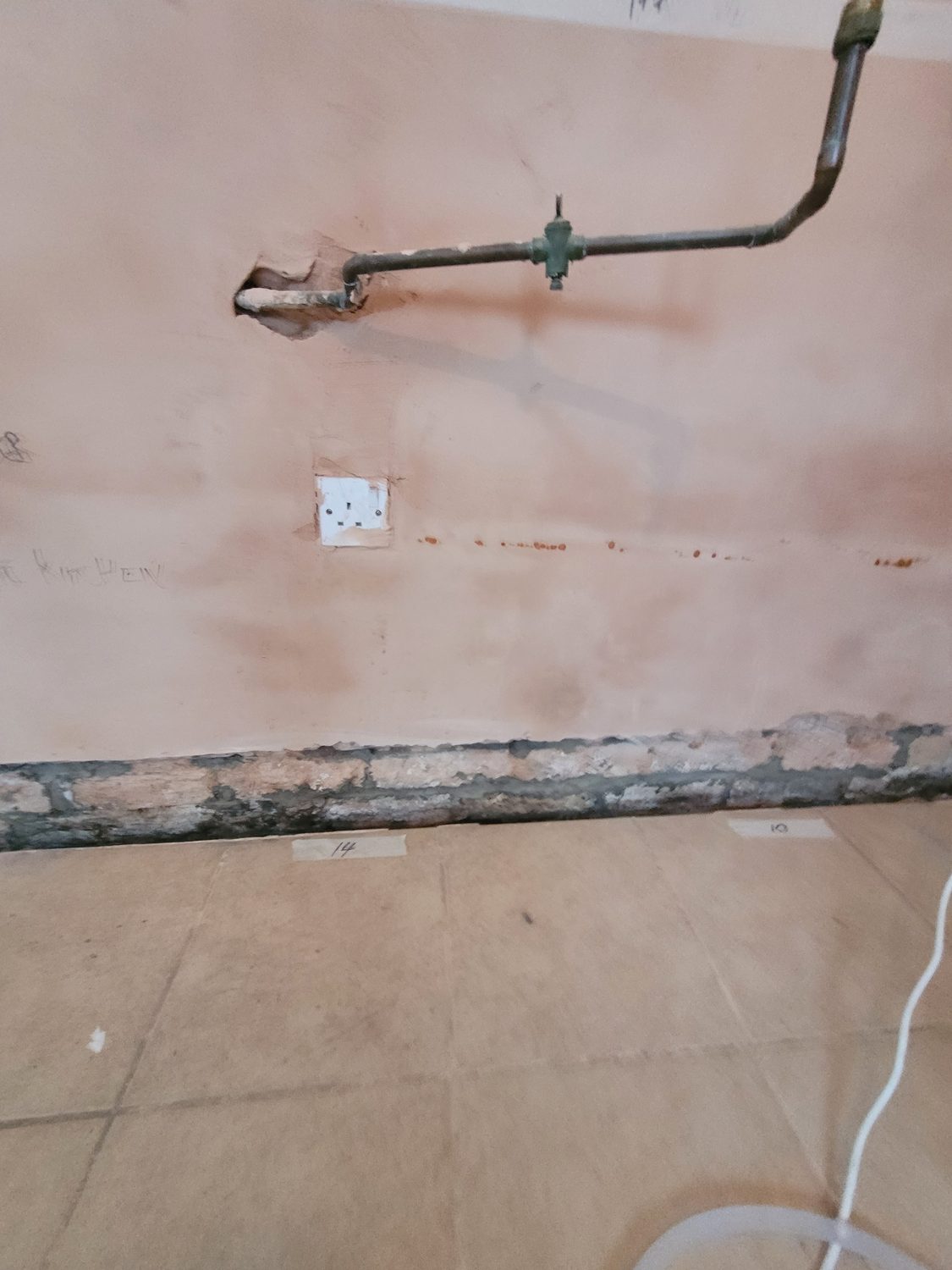
I start with the house, not the damp-course quote
I look at how the building meets the slope, where rainwater is discharged and whether lower rooms can dry as intended. In older High Town and Low Town property, stone, brick, timber and later cement repairs can sit together in ways that need careful reading.
I will tell you what the evidence supports, what it does not support and where access limits certainty. If the likely answer is improved ventilation, a plumbing repair or a leaking gutter, the report will say so. I do not make money from whatever happens next.
What I would pay attention to in Bridgnorth
These are local lines of enquiry, not claims about every property in the area.
Sloping sites and retaining walls
Rooms partly below external ground or walls close to cut slopes can experience lateral moisture, poor drainage or limited evaporation. These need to be distinguished from so-called rising damp.
Historic masonry and timber
Sandstone, brick, lime and timber assemblies need compatible repair. Dense render or plaster may conceal the route moisture is taking or slow drying.
River and rain exposure
Flood history, rainwater disposal and wind-driven rain are considered where relevant, but location alone is never used as a diagnosis.
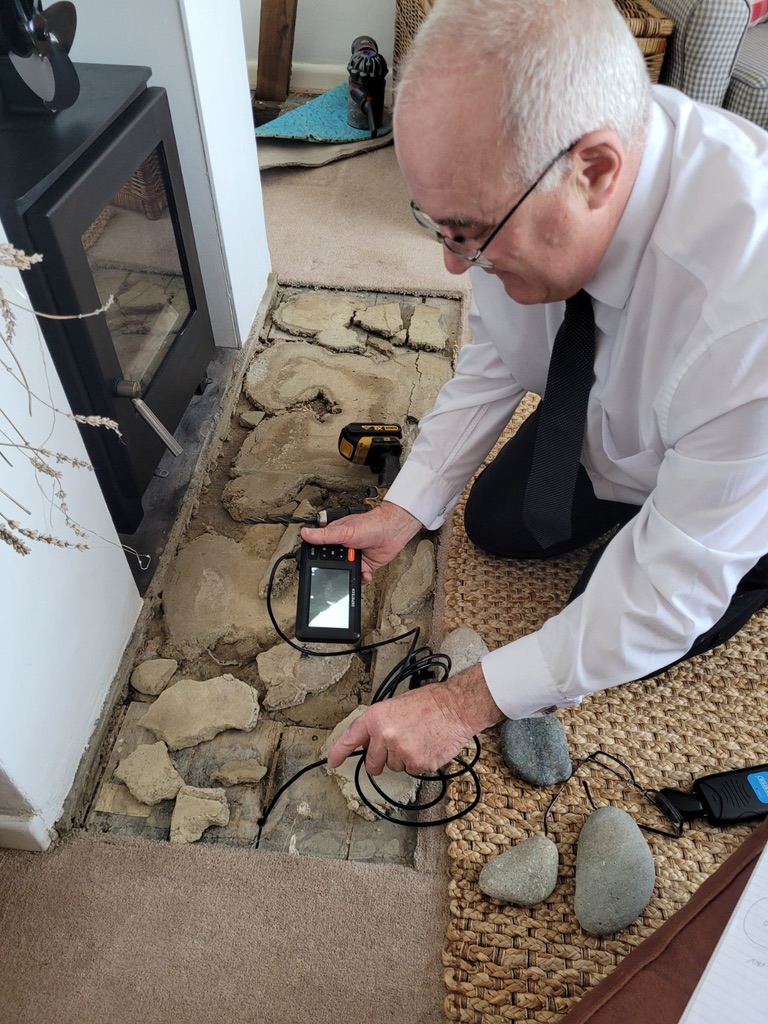
What has actually caused it?
A musty lower room is sometimes blamed on ‘rising damp’ before anyone has looked at the wall behind it or the ground on the other side. My job is to test that assumption and explain the most likely route in plain terms.
My inspection may include visual assessment, moisture profiling, temperature and humidity readings, thermal imaging or closer investigation of accessible details where those methods will genuinely help. Equipment supports the judgement; it does not replace it.
A straightforward survey from first call to report
Send me what you have
The address, photographs and any relevant buyer’s survey extract help me suggest the right scope.
I follow the evidence
I inspect accessible areas, compare moisture patterns and look for a credible cause rather than a convenient label.
You get it in writing
The report records findings, limitations and proportionate next steps. You can call me if anything needs talking through.
Send me the full postcode
Bridgnorth, High Town, Low Town, Alveley, Highley, Much Wenlock and surrounding south-east Shropshire villages.
I work from Stourport-on-Severn and travel to the property; this is a mobile service, not a local branch office. I will confirm availability and any travel detail before you book.
See every area I cover →Choose the question, not a package
A damp survey looks at moisture in walls, floors and the indoor environment. A timber survey considers accessible timber condition, wet rot, dry rot and wood-boring insects such as woodworm. If a buyer’s report raises both, send me the relevant pages and I will suggest a sensible scope.
Send the details to Stephen →Damp surveys in Bridgnorth
Yes. External levels, retaining conditions, drainage and internal moisture distribution are central to that type of inspection.
No. Flood exposure is relevant, but current moisture may instead relate to rainwater goods, plumbing, condensation or previous finishes.
Yes. A dedicated timber survey can investigate accessible roof, floor and frame timbers for decay and insect activity from £399.
Ask Stephen about your Bridgnorth property
Damp surveys from £299. Timber surveys from £399. The agreed inspection and written report are included.