
Independent damp diagnosis for Banbury homes
Banbury brings together ironstone and brick buildings, railway-era terraces, twentieth-century expansion and modern estates. That variety matters because a solid stone wall and an insulated cavity wall should not be read in the same way.

I start with the house, not the damp-course quote
Traditional masonry can be sensitive to dense render and hard pointing, while terraces often raise questions about chimneys, rear additions and sub-floor airflow. In newer homes I look more closely at cavities, roof details and the balance of heat and ventilation.
I will tell you what the evidence supports, what it does not support and where access limits certainty. If the likely answer is improved ventilation, a plumbing repair or a leaking gutter, the report will say so. I do not make money from whatever happens next.
What I would pay attention to in Banbury
These are local lines of enquiry, not claims about every property in the area.
Ironstone and solid walls
Traditional stone needs compatible pointing and a clear route to dry. Dense cement or waterproof coatings can sometimes conceal or redirect moisture.
Railway-era terraces
Chimneys, suspended floors, rear outriggers and closely spaced drainage are common inspection points in older brick streets.
Modern estates
Local leaks, bridged cavities, insulation gaps and ventilation performance are more plausible starting points than a blanket rising-damp diagnosis.
What has actually caused it?
A pre-purchase report may flag moisture but leave the buyer unsure whether they face routine maintenance or a major repair. I turn that broad warning into a reasoned opinion, with limits and priorities set out in writing.
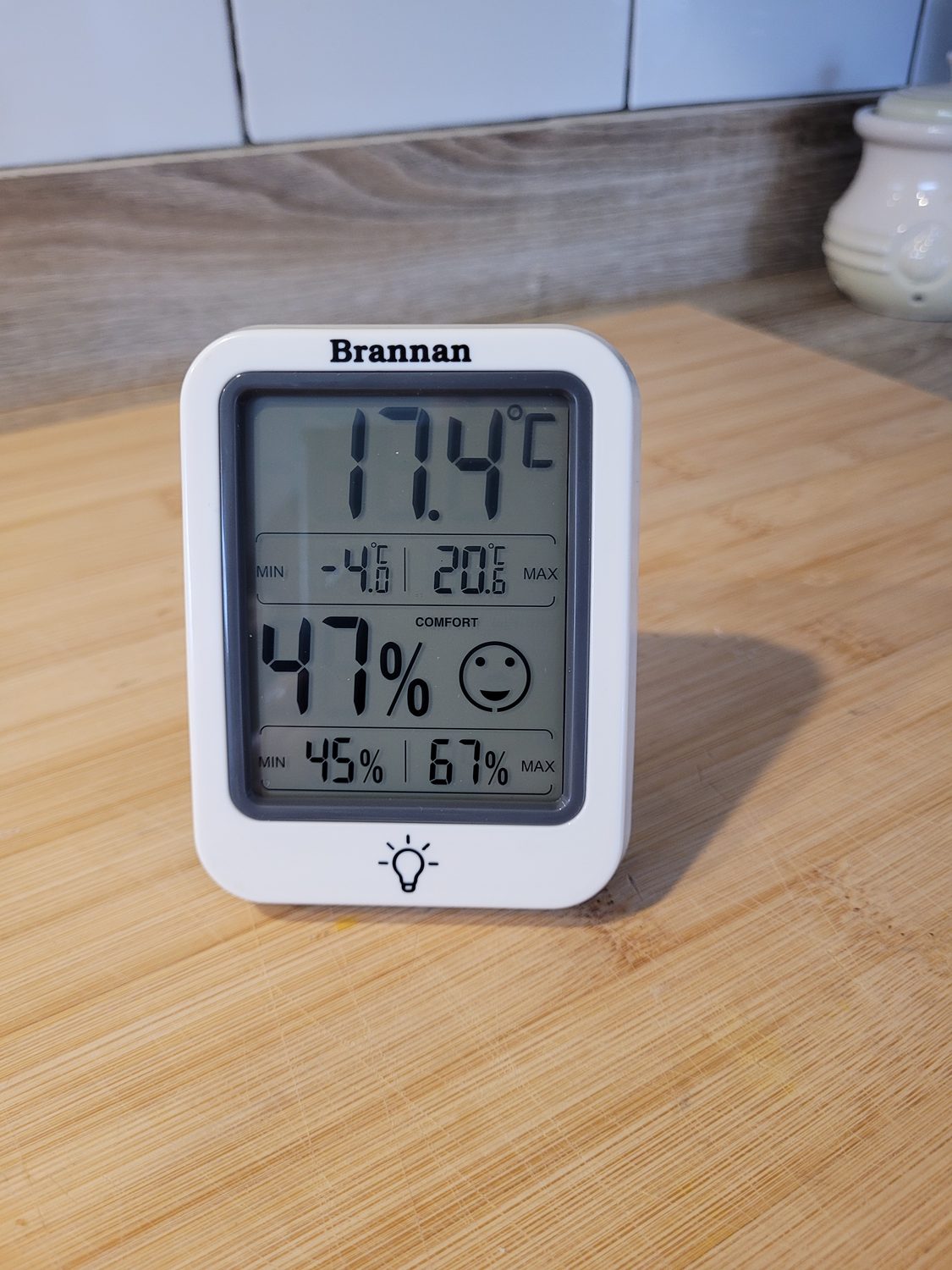
My inspection may include visual assessment, moisture profiling, temperature and humidity readings, thermal imaging or closer investigation of accessible details where those methods will genuinely help. Equipment supports the judgement; it does not replace it.
A straightforward survey from first call to report
Send me what you have
The address, photographs and any relevant buyer’s survey extract help me suggest the right scope.
I follow the evidence
I inspect accessible areas, compare moisture patterns and look for a credible cause rather than a convenient label.
You get it in writing
The report records findings, limitations and proportionate next steps. You can call me if anything needs talking through.
Send me the full postcode
Banbury, Grimsbury, Neithrop, Easington, Bodicote, Bloxham and nearby north Oxfordshire villages.
I work from Stourport-on-Severn and travel to the property; this is a mobile service, not a local branch office. I will confirm availability and any travel detail before you book.
See every area I cover →Choose the question, not a package
A damp survey looks at moisture in walls, floors and the indoor environment. A timber survey considers accessible timber condition, wet rot, dry rot and wood-boring insects such as woodworm. If a buyer’s report raises both, send me the relevant pages and I will suggest a sensible scope.
Send the details to Stephen →Damp surveys in Banbury
Yes. Banbury is within the stated service area; contact Stephen with the postcode to arrange access and timing.
It can inhibit drying or hide failed joints, but exposure, wall thickness and other sources must also be considered.
It includes the damp inspection and written report. There are no treatment sales or commission.
Ask Stephen about your Banbury property
Damp surveys from £299. Timber surveys from £399. The agreed inspection and written report are included.